

Screenshot

Introduction
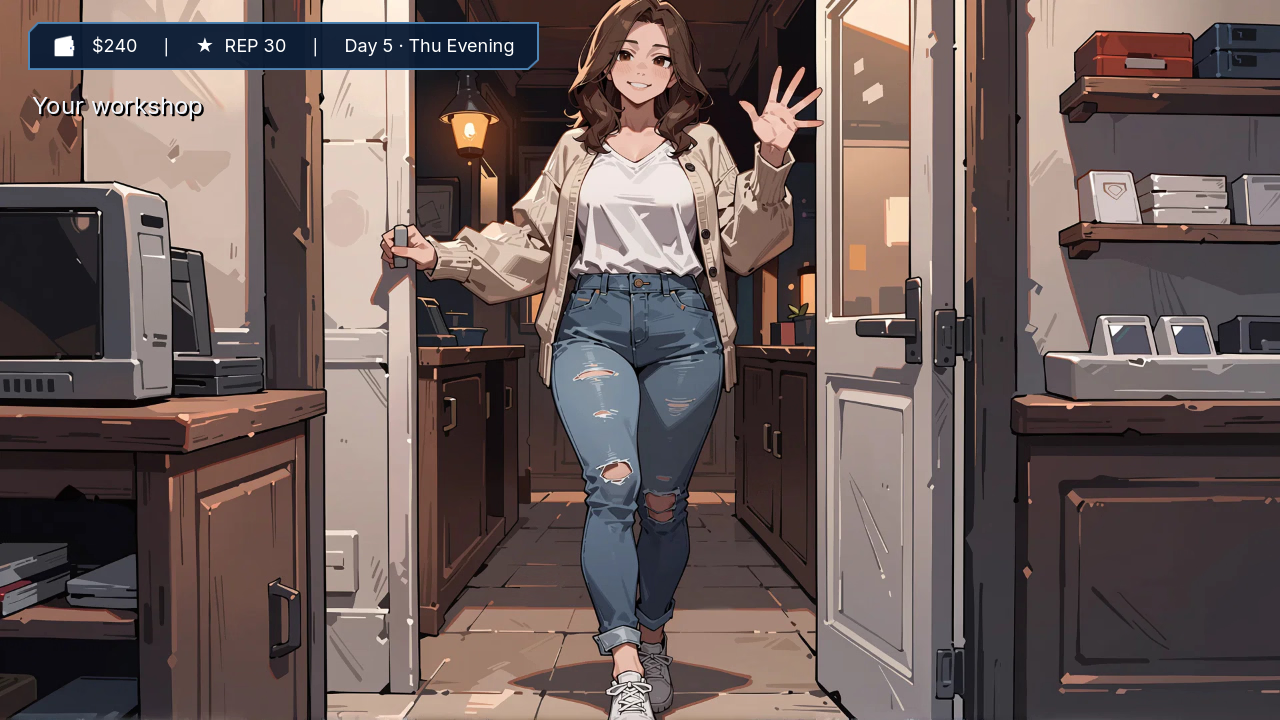
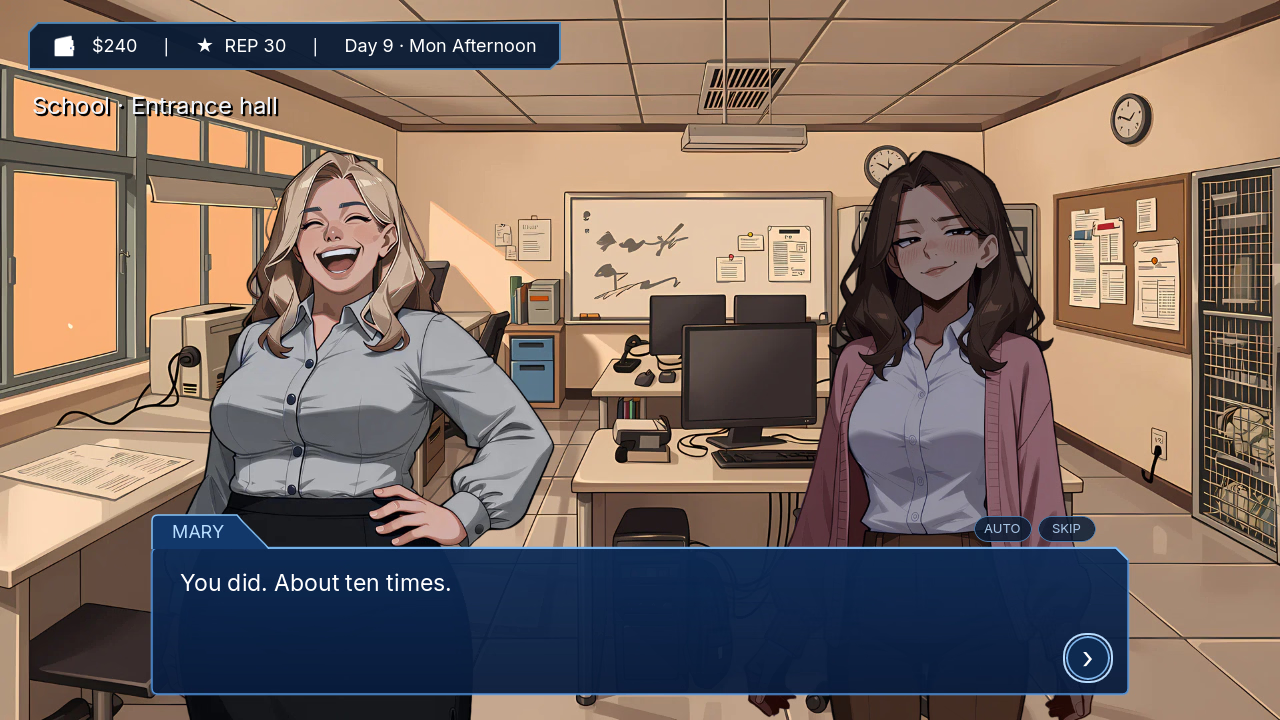
Snoopware is a cozy tech-repair game with a voyeuristic streak, blending hands-on hardware fixes, desktop exploration, and an anime-style visual novel. After losing your job, a favor for your aunt becomes the first step toward opening your own repair shop. Customers hand you their devices. Their folders, photos, and private messages hand you everything else. Every repair is a choice about how curious you allow yourself to be.
2. Hardware troubleshooting escalates the physicality. A failing hard drive means the data is fragile. A cracked screen means the display hides more than it shows. You diagnose, you replace, you test. The game rewards thoroughness: the longer you spend inside a machine, the more comfortable the customer becomes with you handling their private hardware. Some of them start leaving their devices with you overnight. Some of them stop asking what you found.
3. The repair loop feeds directly into the snooping loop. A clean desktop is a locked door. A cluttered one is an invitation. The game does not force you to dig through every file. It simply places the folders in front of you, arranges the thumbnails so a stray photo catches your eye, and waits. The repair gets the customer back. The exploration is what keeps them on your mind after they leave.
2. The secrets escalate with the customer roster. Early repairs yield mild discoveries: a guilty pleasure, a private argument, a photo that should have been deleted. Later customers bring harder material. Hidden partitions. Encrypted archives. Files that suggest the customer knew exactly what kind of person might eventually open them. The game does not censor the discovery. It lets you sit with what you have found and decide what it means about the person who owns the device.
3. The desktop is also where the visual novel's adult content lives. Photos become scenes. Messages become context. The game does not separate the repair from the revelation. You find something explicit on a customer's drive, and the game shifts into a scene where that discovery changes the dynamic between you. The laptop stays open. The customer is still your customer. But the conversation that follows is not about repairs anymore.
2. The consequences are not abstract. Customers remember how you treated them. A customer you helped might return with more work, more trust, and looser boundaries around what they leave on your bench. A customer you confronted might disappear, taking their device and their secrets with them. A customer you exploited might keep coming back, but the game tracks the shift in the power dynamic. The repair shop becomes a web of relationships defined by what you chose to do when no one was watching.
3. The game does not offer a clean morality meter. It offers context. A secret that feels exploitable in one customer's case might feel protective in another's. The choices stack, and the endings reflect the pattern of your curiosity: the repair tech who protected his customers' privacy, the one who used their devices as windows into lives he had no right to see, and the one who found a middle path that left no one entirely comfortable. The game asks how curious you will get when someone trusts you with their computer, and then it lets you live with the answer.
Repair Work as Foreplay: The Art of Taking Your Time
1. Every laptop that lands on your workbench is a body you have permission to open. The screws come out slowly. The back panel lifts. Dust coats the fans and heat sinks in a layer that tells you how long it has been since anyone touched this machine properly. Cleaning is not a chore; it is an intimacy. You are inside something someone else owns, and they handed it to you with a smile and a deadline.2. Hardware troubleshooting escalates the physicality. A failing hard drive means the data is fragile. A cracked screen means the display hides more than it shows. You diagnose, you replace, you test. The game rewards thoroughness: the longer you spend inside a machine, the more comfortable the customer becomes with you handling their private hardware. Some of them start leaving their devices with you overnight. Some of them stop asking what you found.
3. The repair loop feeds directly into the snooping loop. A clean desktop is a locked door. A cluttered one is an invitation. The game does not force you to dig through every file. It simply places the folders in front of you, arranges the thumbnails so a stray photo catches your eye, and waits. The repair gets the customer back. The exploration is what keeps them on your mind after they leave.
Desktop Exploration and the Secrets Folders Hide
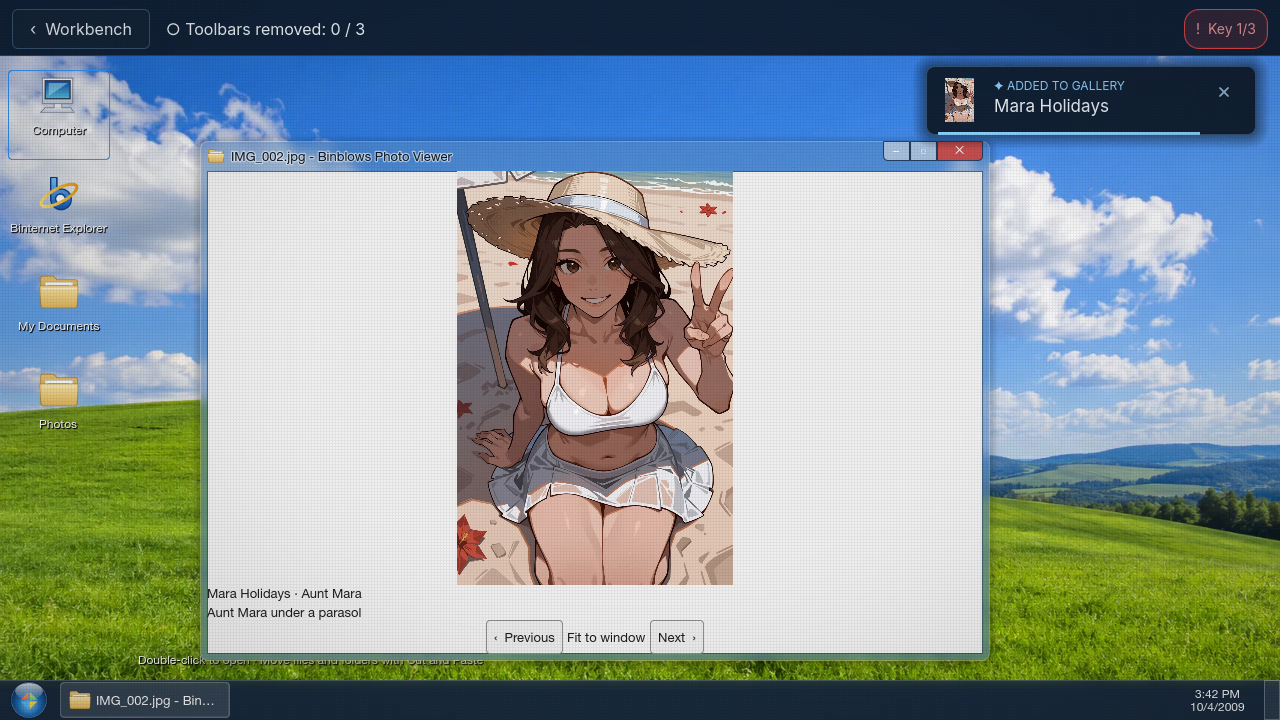
1. Every desktop is a personality stripped bare. Browser histories reveal late-night searches. Photo folders contain images that were never meant for anyone else's screen. Message logs carry conversations that would end relationships if they surfaced. The game renders these artifacts in nostalgic desktop UI, folders within folders, files with names that mean nothing until you open them. The ordinariness is what makes the violation feel so intimate.2. The secrets escalate with the customer roster. Early repairs yield mild discoveries: a guilty pleasure, a private argument, a photo that should have been deleted. Later customers bring harder material. Hidden partitions. Encrypted archives. Files that suggest the customer knew exactly what kind of person might eventually open them. The game does not censor the discovery. It lets you sit with what you have found and decide what it means about the person who owns the device.
3. The desktop is also where the visual novel's adult content lives. Photos become scenes. Messages become context. The game does not separate the repair from the revelation. You find something explicit on a customer's drive, and the game shifts into a scene where that discovery changes the dynamic between you. The laptop stays open. The customer is still your customer. But the conversation that follows is not about repairs anymore.
Moral Choice Architecture: Help, Confront, or Exploit
1. Snoopware's central question is what you do with knowledge that was never offered. Every secret you uncover triggers a branching decision: help the customer, confront them, keep the secret, or turn it into leverage. Helping might mean fixing a problem they did not ask you to fix. Confronting means admitting you looked. Keeping the secret preserves the relationship but weights every future interaction with what you know. Exploiting means the relationship becomes transactional in a direction the customer never agreed to.2. The consequences are not abstract. Customers remember how you treated them. A customer you helped might return with more work, more trust, and looser boundaries around what they leave on your bench. A customer you confronted might disappear, taking their device and their secrets with them. A customer you exploited might keep coming back, but the game tracks the shift in the power dynamic. The repair shop becomes a web of relationships defined by what you chose to do when no one was watching.
3. The game does not offer a clean morality meter. It offers context. A secret that feels exploitable in one customer's case might feel protective in another's. The choices stack, and the endings reflect the pattern of your curiosity: the repair tech who protected his customers' privacy, the one who used their devices as windows into lives he had no right to see, and the one who found a middle path that left no one entirely comfortable. The game asks how curious you will get when someone trusts you with their computer, and then it lets you live with the answer.
New Download








RELATED GAMES


Syahata's Bad Day Game Download Free latest version
1.0.5

The Cradle Of Nurtured Eggs game download free
0.1.35a

The Secret Atelier game free download
2.3 Steam

Super Naughty Maid Game Download Free
Final

Super Naughty Maid 2 Game Download Free latest version
1.2

Kobeni Sloppy Blowjob Devil game download latest version
1.4 Paid

A Night With Mitsuki Bakugou latest version download free
1.0

Trick or (Sex)Treat : Halloween Special Game Download Free latest version
1.0

Velvet Ledger Game Download Free latest version
0.1