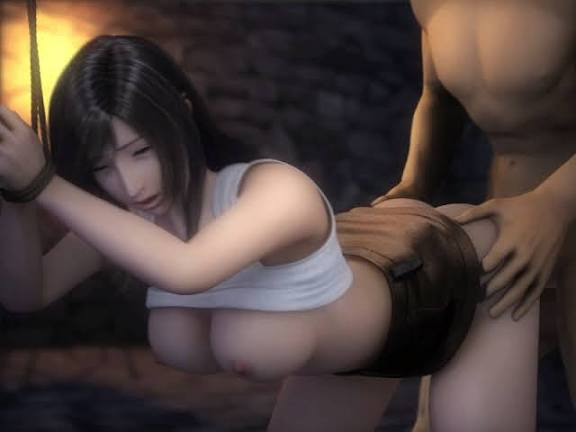

Screenshot




Introduction
Cucking Trap is a psychological thriller narrative game blending social experimentation and moral ambiguity. Follow four university friends—Mamoru, Mafuyu, Takashi, and Kana—as they navigate a twisted "Partner Exchange" challenge at a surreal theme park. As boundaries blur between attraction and betrayal, players confront ethical dilemmas, hidden desires, and the consequences of their choices in a high-stakes escape scenario.
The game’s central mechanic revolves around shifting alliances. Players alternate controlling each character, making decisions that deepen or fracture relationships. Will Mamoru reciprocate Kana’s unspoken feelings, or prioritize loyalty to Mafuyu? Choices trigger branching storylines, including secret trysts, public confrontations, or alliances against Takashi’s controlling tendencies.
2. Psychological Tension & Morality
The "Exchange Hall" acts as a metaphor for societal norms and personal boundaries. Environmental cues—like flickering lights, eavesdropping NPCs, and cryptic messages—heighten paranoia. Players grapple with questions of consent, jealousy, and identity, with decisions affecting long-term reputations and character arcs.
3. Multiplayer Narrative Layers
The story adapts to collective choices. If all players prioritize self-interest, trust erodes, leading to sabotage. Conversely, cooperation unlocks hidden endings where characters reconcile or forge unexpected bonds. A "Reputation Meter" tracks each character’s social standing, influencing dialogue options and quest availability.
The theme park transforms dynamically based on player actions. A cheerful carnival zone might morph into a claustrophobic labyrinth if tensions escalate, with puzzles tied to emotional states (e.g., solving a mirror puzzle while managing guilt).
2. Character-Driven Mini-Games
Each character has unique skill trees tied to their personality. Mafuyu’s "Social Grace" ability decodes NPC motivations, while Takashi’s "Strategic Manipulation" unlocks deceptive dialogue options. Kana’s hidden "Passive Aggressive" trait allows subtle revenge plots against Mafuyu.
3. Emergent Story Scenarios
Random events—like a sudden fire drill or a nosy security guard—force improvisation. Players might orchestrate fake emergencies to escape scrutiny or exploit park staff weaknesses. Replayability is amplified by 12 distinct endings, ranging from romantic resolutions to tragic betrayals.
Core Narrative & Themes
1. Dynamic Relationship SystemsThe game’s central mechanic revolves around shifting alliances. Players alternate controlling each character, making decisions that deepen or fracture relationships. Will Mamoru reciprocate Kana’s unspoken feelings, or prioritize loyalty to Mafuyu? Choices trigger branching storylines, including secret trysts, public confrontations, or alliances against Takashi’s controlling tendencies.
2. Psychological Tension & Morality
The "Exchange Hall" acts as a metaphor for societal norms and personal boundaries. Environmental cues—like flickering lights, eavesdropping NPCs, and cryptic messages—heighten paranoia. Players grapple with questions of consent, jealousy, and identity, with decisions affecting long-term reputations and character arcs.
3. Multiplayer Narrative Layers
The story adapts to collective choices. If all players prioritize self-interest, trust erodes, leading to sabotage. Conversely, cooperation unlocks hidden endings where characters reconcile or forge unexpected bonds. A "Reputation Meter" tracks each character’s social standing, influencing dialogue options and quest availability.
Unique Features & Replayability
1. Surreal Setting DesignThe theme park transforms dynamically based on player actions. A cheerful carnival zone might morph into a claustrophobic labyrinth if tensions escalate, with puzzles tied to emotional states (e.g., solving a mirror puzzle while managing guilt).
2. Character-Driven Mini-Games
Each character has unique skill trees tied to their personality. Mafuyu’s "Social Grace" ability decodes NPC motivations, while Takashi’s "Strategic Manipulation" unlocks deceptive dialogue options. Kana’s hidden "Passive Aggressive" trait allows subtle revenge plots against Mafuyu.
3. Emergent Story Scenarios
Random events—like a sudden fire drill or a nosy security guard—force improvisation. Players might orchestrate fake emergencies to escape scrutiny or exploit park staff weaknesses. Replayability is amplified by 12 distinct endings, ranging from romantic resolutions to tragic betrayals.
New Download







RELATED GAMES


Syahata's Bad Day Game Download Free latest version
1.0.5

The Cradle Of Nurtured Eggs game download free
0.1.35a

The Secret Atelier game free download
2.3 Steam

Super Naughty Maid Game Download Free
Final

Super Naughty Maid 2 Game Download Free latest version
1.2

Kobeni Sloppy Blowjob Devil game download latest version
1.4 Paid

A Night With Mitsuki Bakugou latest version download free
1.0
Trick or (Sex)Treat : Halloween Special Game Download Free latest version
1.0

Velvet Ledger Game Download Free latest version
0.1