
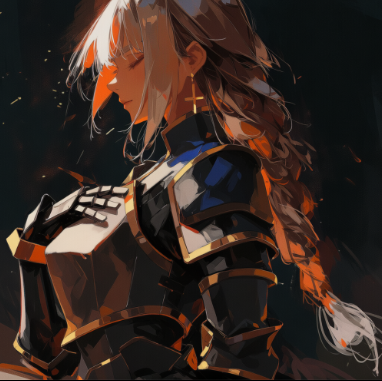
Screenshot





Introduction
Veil is an NSFW 4X city-building and kingdom management game from developer Lollin' Pony. You play Seralyne, an ambitious ruler expanding her realm through politics, conquest, and diplomacy. Build thriving cities, manipulate the balance of power among rival factions, and command unique characters in tactical card-driven combat. Every decision shapes the world — and the woman making them.
2. The game builds Seralyne's authority through every system. When she issues a decree, cities rise. When she negotiates with a faction, the terms bend toward her will. When she leads troops into battle, the cards in her hand are extensions of her intent. The power fantasy is deliberate. Veil wants you to feel what it is like to be the most dangerous person in every room, and then it wants to show you what that power does to a woman.
3. What makes Seralyne compelling is not her strength. It is her appetite. The game does not present her as a virtuous queen or a reluctant leader. She wants more land, more influence, more control — and she is willing to take it. The adult content in Veil is not separate from this characterization. It is an extension of it. Seralyne pursues intimacy the same way she pursues territory: deliberately, without apology, and with an eye on what she gains.
2. The city-building layer rewards players who think beyond military might. A thriving city is not just a production center. It is a stage for Seralyne's ambitions. The buildings you construct, the factions you court or crush, the characters you elevate or discard — every decision reshapes the balance of power and opens new narrative threads. The game tracks these shifts and adjusts the world's response accordingly.
3. The card-driven combat adds a tactical dimension that keeps the strategy from becoming a spreadsheet. Commanding unique characters in battle means managing resources, timing, and synergy. A card played at the wrong moment can lose a province. A well-timed combination can turn a stalemate into a rout. The combat is not an interruption of the strategy layer. It is the point at which strategy becomes blood.
2. Diplomacy in Veil is a slow game of small concessions and large ambitions. The characters Seralyne interacts with are not quest dispensers. They are people with desires that can be leveraged, insecurities that can be exploited, and loyalties that can be redirected. The adult scenes that emerge from these relationships are not rewards for reaching a certain affection level. They are moments of vulnerability that Seralyne exploits as ruthlessly as any battlefield.
3. The most intimate moments in Veil are also the most dangerous. When Seralyne shares a bed with an ally, she is also gathering information. When she whispers promises to a rival, she is also measuring the distance to their throat. The game understands that intimacy and betrayal are not opposites. They are two sides of the same coin, and Seralyne spends them both freely.
Seralyne: The Ruler Who Takes What She Wants
1. Seralyne is not a placeholder protagonist. She is the axis the entire game turns around. An ambitious ruler with a kingdom to expand and a reputation to forge, she moves through the world with the certainty of someone who has never been told no. Politics are a tool. Conquest is a method. Diplomacy is a performance. Underneath all of it, there is a hunger that the throne cannot satisfy.2. The game builds Seralyne's authority through every system. When she issues a decree, cities rise. When she negotiates with a faction, the terms bend toward her will. When she leads troops into battle, the cards in her hand are extensions of her intent. The power fantasy is deliberate. Veil wants you to feel what it is like to be the most dangerous person in every room, and then it wants to show you what that power does to a woman.
3. What makes Seralyne compelling is not her strength. It is her appetite. The game does not present her as a virtuous queen or a reluctant leader. She wants more land, more influence, more control — and she is willing to take it. The adult content in Veil is not separate from this characterization. It is an extension of it. Seralyne pursues intimacy the same way she pursues territory: deliberately, without apology, and with an eye on what she gains.
4X Strategy with a Body Count: Building an Empire Through Conquest
1. The 4X foundation is genuine. Veil is not an adult game with strategy bolted on. It is a strategy game where the adult content grows from the systems themselves. Exploration opens new territories and new opportunities for Seralyne to exert influence. Expansion means constructing cities and managing resources. Exploitation involves extracting value from conquered peoples and negotiated alliances. Extermination is always an option, but rarely the most interesting one.2. The city-building layer rewards players who think beyond military might. A thriving city is not just a production center. It is a stage for Seralyne's ambitions. The buildings you construct, the factions you court or crush, the characters you elevate or discard — every decision reshapes the balance of power and opens new narrative threads. The game tracks these shifts and adjusts the world's response accordingly.
3. The card-driven combat adds a tactical dimension that keeps the strategy from becoming a spreadsheet. Commanding unique characters in battle means managing resources, timing, and synergy. A card played at the wrong moment can lose a province. A well-timed combination can turn a stalemate into a rout. The combat is not an interruption of the strategy layer. It is the point at which strategy becomes blood.
Factions, Diplomacy, and the Intimacy of Betrayal
1. The factions of Veil are not abstract forces. They are collections of individuals with their own agendas, their own weaknesses, and their own ways of being manipulated. Seralyne can ally with them, betray them, or seduce them — sometimes all three in the same campaign. The game does not moralize about these choices. It simply tracks the consequences and lets the world react.2. Diplomacy in Veil is a slow game of small concessions and large ambitions. The characters Seralyne interacts with are not quest dispensers. They are people with desires that can be leveraged, insecurities that can be exploited, and loyalties that can be redirected. The adult scenes that emerge from these relationships are not rewards for reaching a certain affection level. They are moments of vulnerability that Seralyne exploits as ruthlessly as any battlefield.
3. The most intimate moments in Veil are also the most dangerous. When Seralyne shares a bed with an ally, she is also gathering information. When she whispers promises to a rival, she is also measuring the distance to their throat. The game understands that intimacy and betrayal are not opposites. They are two sides of the same coin, and Seralyne spends them both freely.